

Vermont needs your help identifying new homes built in your community. Earlier this year, VHFA and the State of Vermont published studies quantifying the new homes needed to address immediate and future housing needs. Over the next 5 years, 7,200-8,200 additional homes per year are needed throughout Vermont to close current gaps and meet future demand, according to the 2025 Vermont housing needs assessment and associated 2030 and 2050 housing target project.
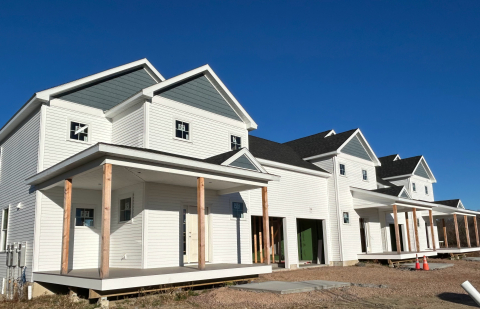
To gauge Vermont’s progress towards reaching these goals, experts developed a Housing Development Dashboard searchable at the town, region and state level. The dashboard, created by the Vermont Center for Geographic Information (VCGI) in partnership with the Department of Housing and Community Development (DHCD), is based on the best aggregate data sources available about individual homes, including E911 and Regional Planning Commission data. However, it is inherently difficult to accurately identify when and where additional homes are built, particularly in Vermont where construction permitting and decision-making occurs in our 250+ individual communities.
The Housing Development Dashboard currently indicates that the average annual pace of building Vermont homes is about 2,500 per year—far less than the number of homes needed. Based on current reporting, this rate decreased in 2025, pending newly developed units not yet identified.
How You Can Help
Vermont residents, town officials, and community professionals are encouraged to visit the dashboard to review the data for their specific town or region. Accurate data is critical for state and local leaders to address housing supply challenges effectively.
- Explore the Data: Access the dashboard at to see current home building counts.
- Submit Corrections: Use the built-in feedback tool on the dashboard or email [email protected] to report new construction or corrections. We ask all Vermont residents and community professionals to encourage your own towns to submit any corrections and new information pertaining to local home building to the dashboard managers at [email protected]. Decisions informed by the most accurate data available will help state, regional and local leaders to address housing supply challenges much more effectively.