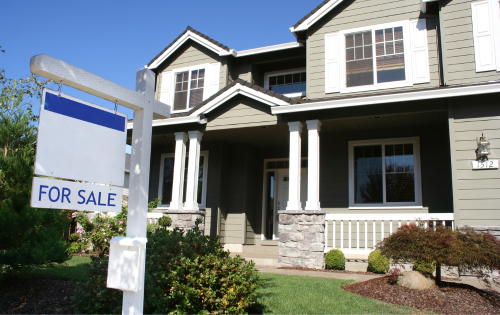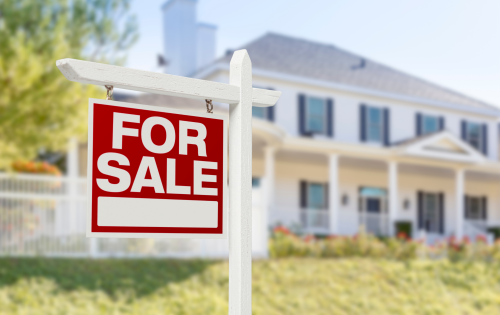
The median Vermont primary home sold for $295,000 throughout the first six months of 2022, compared to $270,000 throughout 2021, a 9.3 percent increase for the first half of the year.
New data shows how Vermont towns balance jobs and homes
Towns with sufficient homes to house the employees that work there are more likely to make inroads against climate change and the housing affordability crisis. According to data published this week by the Vermont Housing Data website, the top Vermont town with over 10,000 workplaces to strike this balance is Essex. For every 100 homes in Essex, the town has 112 jobs.
Understanding Vermont’s vacant homes
A recent article in the New York Times suggested that Vermont is ranked first in the nation in vacant homes. This may be surprising to many Vermonters, given the state’s extremely tight housing market.
Report shows renters face continued challenges post-pandemic
This article was written by VHFA Spring Housing Fellow Christina Cramer
Vermont home prices increase 19% during pandemic
The median Vermont non-vacation home sold for $270,000 in 2021, a 10.2% increase from the prior year, and a 19% overall increase from prices in 2019, before the pandemic. This is the largest home price increase seen since 2005.
High home prices persist in first half of 2021
The median Vermont primary home sold for $259,900 during the first six months of 2021, compared to $245,000 throughout 2020, a six percent increase.
Investing in housing will help marry growth with vibrancy
Vermont learned last month that its population grew by a slim 2.8% between 2010 and 2020, less than the national average of 7.4%. But by planning to invest millions in American Rescue Plan Act funds in homes and neighborhoods, Vermont policy makers have embraced the opportunity presented by this decade to accelerate community and economic vibrancy.
Facing worsening housing shortage, Upper Valley initiative provides solutions
By 2030, the Upper Valley region will need to triple the pace of home building and conversions to meet projected demand from existing and future residents, according to the collaborative Keys to the Valley initiative. About one-third of the region’s households are cost burdened by paying more than 30% of their income for their housing.
Home sale prices rise in 2020, fueled by strong second half of the year
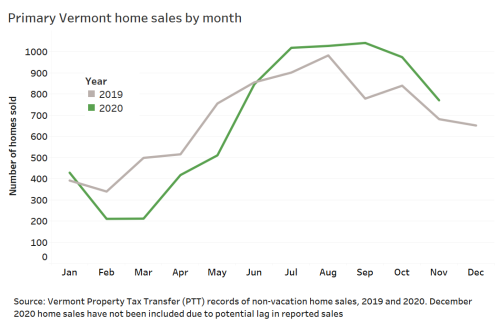
Home sale prices in Vermont continued to rise in 2020 amidst the impact of the coronavirus pandemic. The median primary (non-vacation) home sold for $246,000, according to Vermont Property Transfer Tax records.
Vermont home prices continued increasing through September 2020
The median price of a non-vacation home in Vermont rose to $244,000, according to Vermont property transfer tax records for homes sold through September 30, 2020. While the 7% increase from 2019 may reflect increased demand from the pandemic’s “race for space,” Vermont is no stranger to rising home prices which have increased steadily since 2014.